



Application Areas
Application Industry
Application Industry
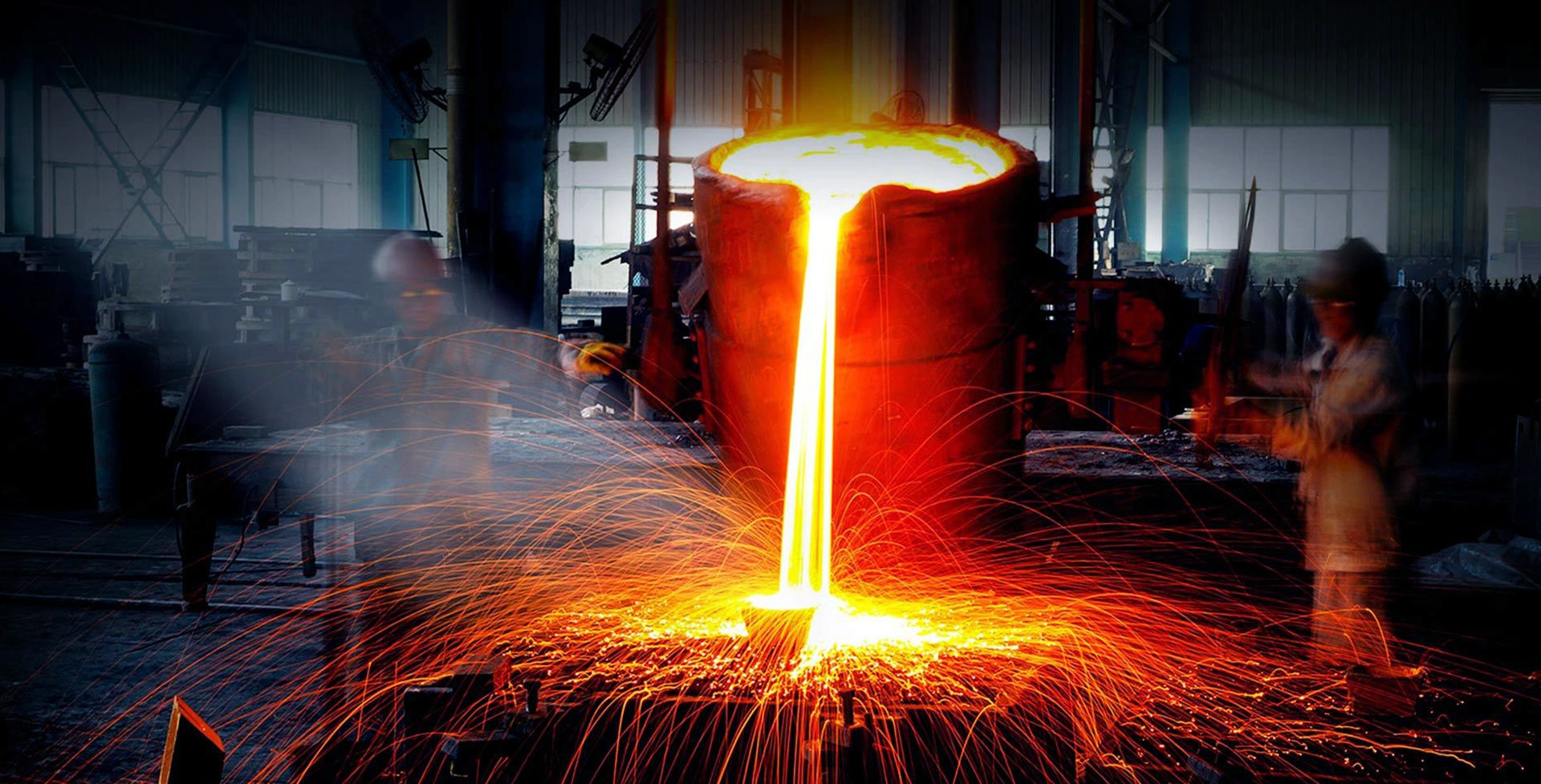
Steel plant
The steel industry is a major emitter of sulfur dioxide. This technology can be applied to desulfurization of flue gas from sintering machines and pelletizing equipment in the steel industry.
Efficient calcium-based desulfurizer dry desulfurization process
Desulfurizing Agent System
This system mainly includes unloading, powder silo, metering module, and conveying system. High specific surface area calcium hydroxide powder is sent into the powder silo from a ton bag via an electric hoist, and then through the metering module at the bottom of the powder silo, it is conveyed to the desulfurization flue or desulfurization tower via a blower.
Desulfurization Reaction System
This system mainly includes the desulfurization flue or desulfurization tower. The high specific surface area calcium hydroxide powder is injected into the desulfurization system, where it undergoes a neutralization reaction with SO2, thereby removing SO2 and generating reaction products such as CaSO4 and CaSO3. These dry products enter the baghouse dust collector with the flue gas.
Desulfurization Product Collection
This system mainly includes a baghouse dust collector and desulfurization product collection. The gypsum powder generated after desulfurization is collected by the baghouse dust collector after dry desulfurization, and is centrally processed together with the dust through the ash conveying system. The main components of the desulfurization products are CaSO4 and CaSO3, which are not hazardous waste and can be treated together with ordinary dust. The baghouse dust collector can ensure that the dust concentration in the flue gas is within the design index.
Application Cases

A glass product company in Qingdao
主设备
Horseshoe flame glass kiln
燃料
Coal gasification
烟气量
30000Nm3/h
烟气温度
~ 220℃
项目类型
Sodium bicarbonate modified high-calcium ratio
Process Flow
Glass kiln flue gas → Waste heat boiler → High-calcium dry desulfurization (220℃) → Baghouse dust collector → SCR denitrification → Blower → Chimney
Results
(1) SO2 concentration reduced from 1200mg/m3 to <50mg/m3
(2) The original sodium bicarbonate usage was 6t/day, which was significantly reduced after switching to high-calcium, resulting in a significant reduction in operating costs.
(3) Saved the disposal cost of sodium bicarbonate desulfurization solid waste.
