



News
NEWS CENTER
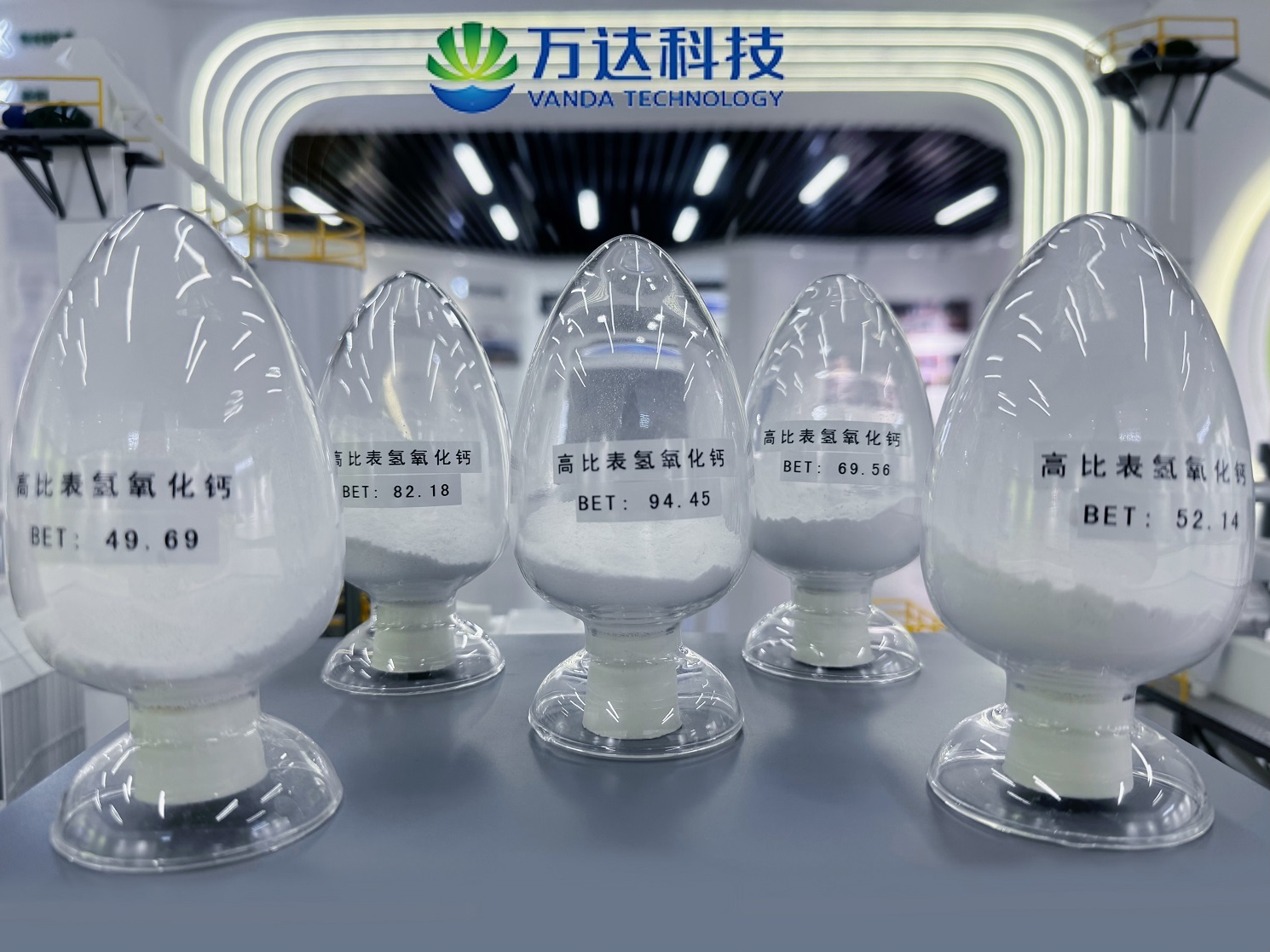
In the chemical industry, flue gases from various reaction kilns and heating furnaces are highly complex; in addition to sulfides, they often contain small amounts of acidic organic compounds. These flue gases are highly corrosive, and conventional desulfurization agents exhibit limited reactivity and poor corrosion resistance, resulting in only modest treatment performance. High‑specific‑surface‑area calcium hydroxide can achieve simultaneous desulfurization and deacidification, making it well suited to the complex flue‑gas conditions encountered in chemical processes.
View More →
09
/
10
2026
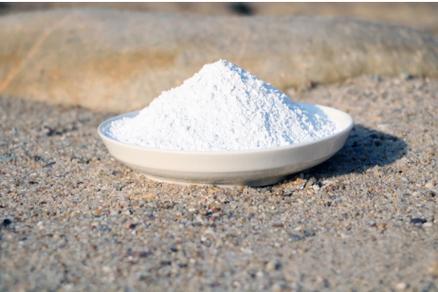
Refractory‑material tunnel kilns and shuttle kilns operate at high temperatures and produce uneven flue‑gas emissions; their intermittent operation further causes significant fluctuations in sulfur content, placing extremely stringent demands on the desulfurizing agent’s instantaneous reaction kinetics and operational adaptability. High‑specific‑surface‑area calcium hydroxide, with its high reactivity and rapid response, is well suited to meet the desulfurization requirements of the refractory industry’s batch‑type production processes.
View More →
09
/
07
2026
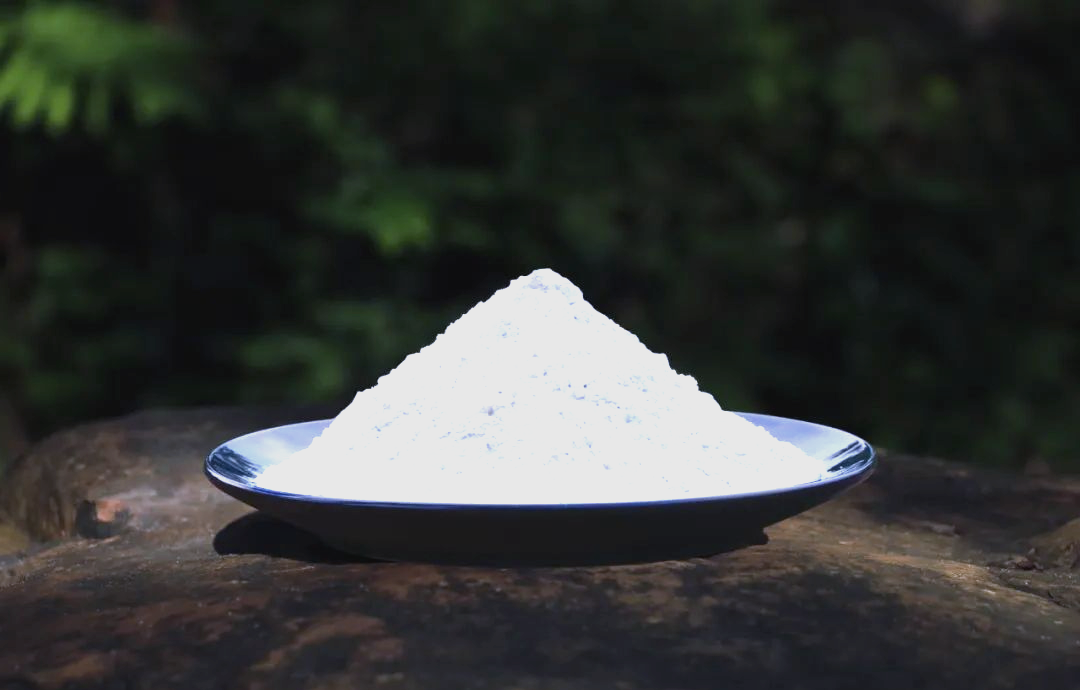
The flue gas from industrial silicon smelting furnaces is characterized by high temperatures, extremely high dust concentrations, and abundant sulfide‑containing impurities, resulting in harsh operating conditions. Conventional desulfurization agents are prone to failure, leading to poor desulfurization stability—making this a significant challenge in industrial flue‑gas treatment. High‑specific‑surface‑area calcium hydroxide, with its strong adaptability and excellent penetration, is ideally suited to the desulfurization of flue gases generated during industrial silicon smelting.
View More →
09
/
03
2026
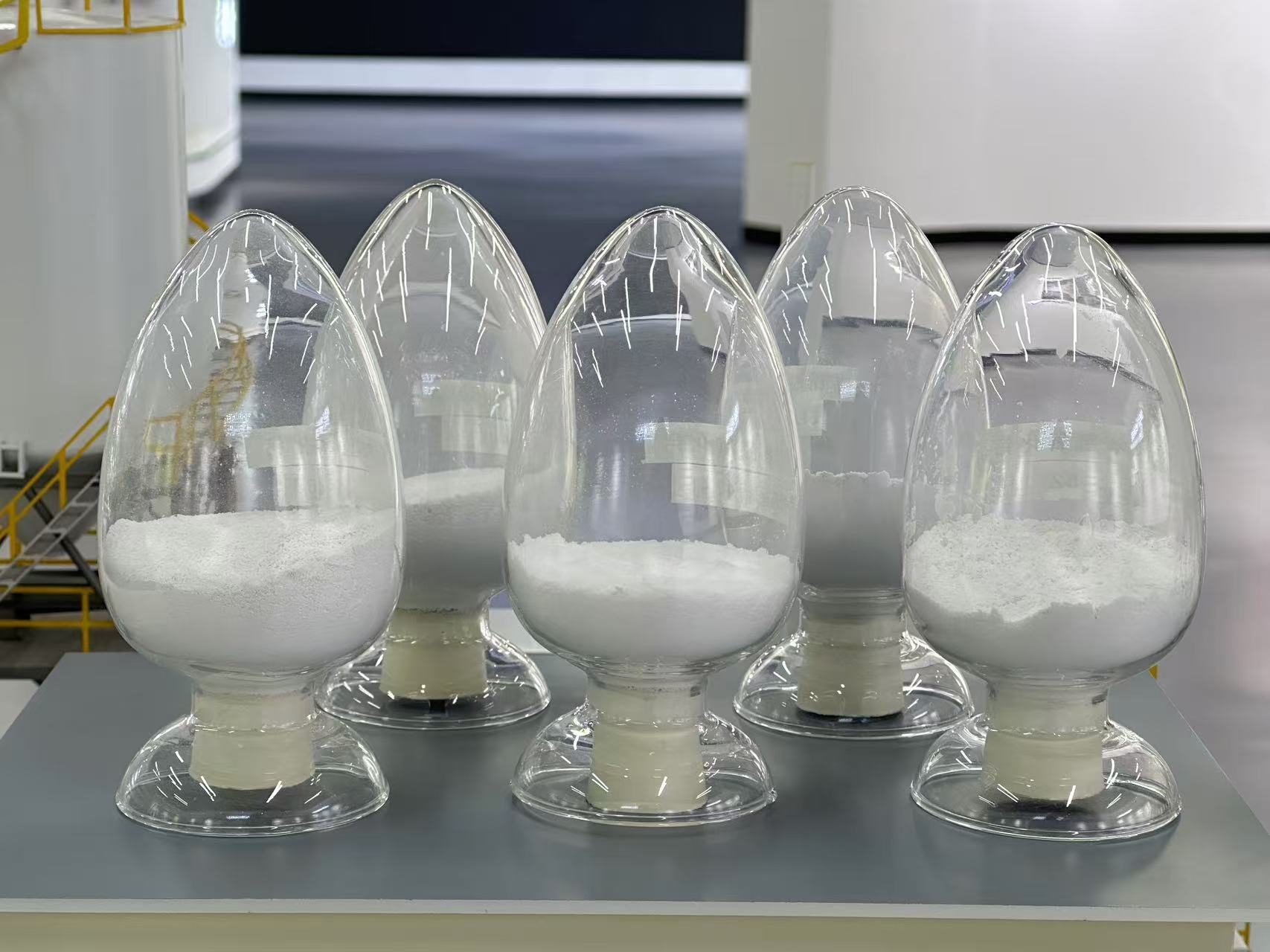
Ceramic tunnel kilns and roller hearth kilns experience frequent flue gas temperature fluctuations, high dust concentrations, and uneven sulfur content. Moreover, production facilities demand stringent environmental cleanliness, while conventional desulfurization methods often generate wastewater and water mist, compromising ceramic product quality. The high‑specific‑surface‑area calcium hydroxide dry‑process desulfurization technology is well suited to the operational conditions and environmental requirements of the ceramics industry.
View More →
08
/
31
2026
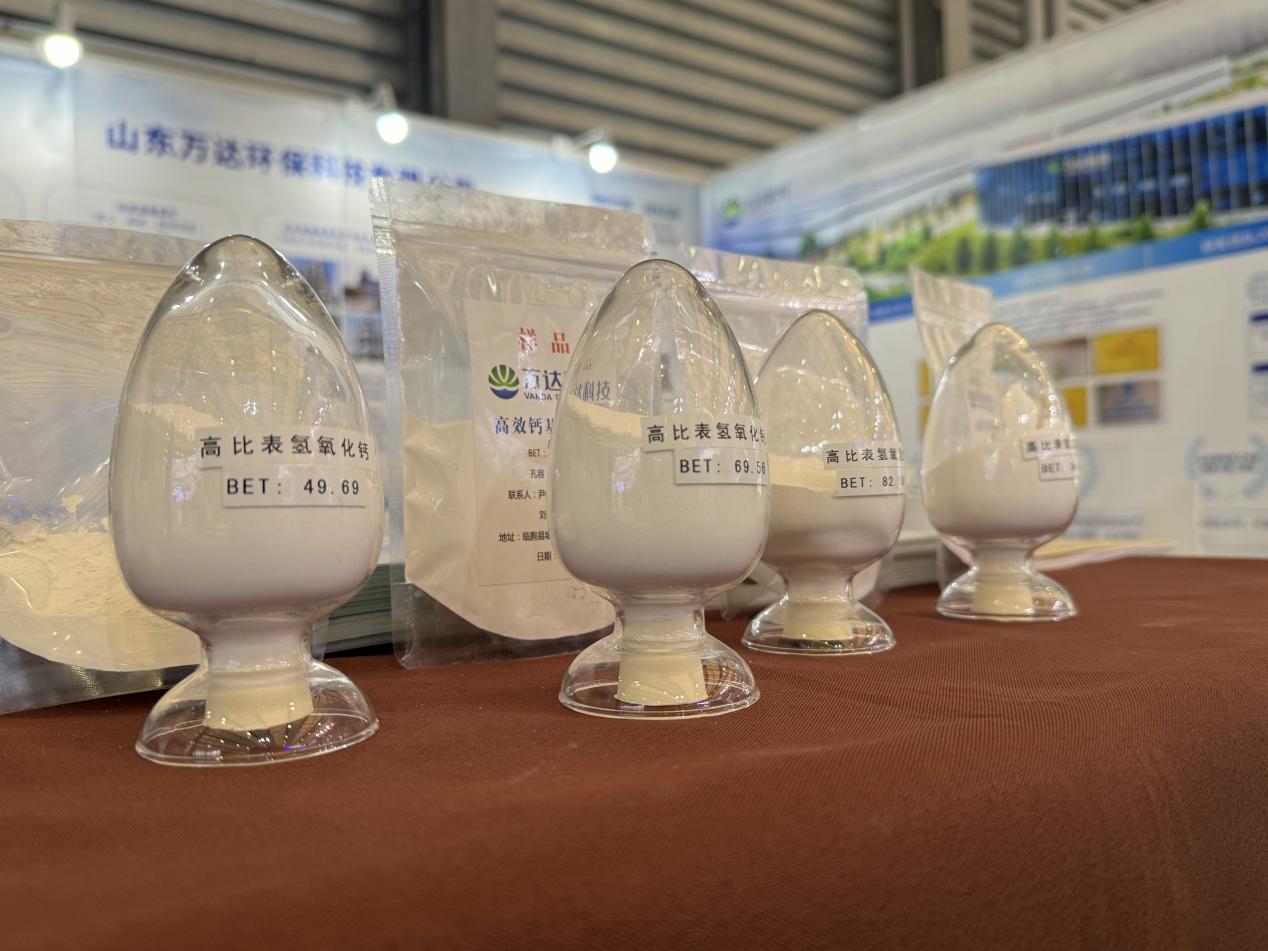
Glass kilns typically use heavy oil and natural gas as fuels, producing flue gases with unique sulfur content, high temperatures, and stable flow rates. Conventional desulfurization processes often suffer from incomplete removal of sulfur compounds, equipment fouling, and excessive energy consumption. High‑specific‑surface‑area calcium hydroxide is specifically tailored to the characteristics of glass‑kiln flue gases, enabling efficient, low‑cost desulfurization.
View More →
08
/
27
2026

Cement kiln flue gases are characterized by high temperatures, high particulate concentrations, and complex compositions. Traditional desulfurization agents are easily coated by dust, leading to reaction failure and unstable desulfurization efficiency, which makes it difficult to meet the cement industry’s ultra‑low emission standards. High‑specific‑surface‑area calcium hydroxide, with its superior activity and permeability, is well suited for flue‑gas desulfurization applications in cement calcination kilns and waste‑heat boilers.
View More →
08
/
24
2026

The flue gas from waste incineration is highly complex, containing not only SO₂ and SO₃ but also HCl, HF, and heavy metal pollutants, and it is prone to dioxin formation. With its strong corrosivity and the significant challenges of treatment, it represents a key focus area in environmental protection. High‑specific‑surface‑area calcium hydroxide, which simultaneously achieves desulfurization, deacidification, and impurity removal, serves as a core material for controlling waste‑incineration flue gas.
View More →
08
/
20
2026

Coal-fired power plants generate enormous flue gas volumes, with stable but high sulfur content. Conventional wet desulfurization processes are energy-intensive, produce substantial wastewater and solid waste, and entail high operation and maintenance costs. High‑specific‑surface‑area calcium hydroxide is well suited to dry and semi‑dry desulfurization technologies, offering an efficient solution for achieving ultra‑low emissions from power plant flue gases.
View More →
08
/
17
2026

In the steel industry, flue gases from sintering machines, pelletizing kilns, reheating furnaces, and hot blast stoves exhibit wide temperature ranges, high dust and sulfur content, and frequent operational fluctuations, placing stringent demands on the adaptability and reaction activity of desulfurization agents. Conventional desulfurizers often suffer from incomplete reactions, excessive reagent consumption, and unstable desulfurization performance, whereas high‑specific‑surface‑area calcium hydroxide is ideally suited to the complex desulfurization conditions encountered in the steel sector.
View More →
08
/
15
2026

The coking industry generates flue gases with complex compositions. Flue gases from coke ovens, dry quenching vent streams, and pusher‑side ground‑station emissions exhibit significant sulfur fluctuations and high particulate loads, while conventional desulfurization agents suffer from low reaction efficiency, making it difficult to consistently achieve ultra‑low emissions. High‑specific‑surface‑area calcium hydroxide, with an exceptionally large specific surface area of 50–100 m²/g, uniform particle size, and extremely high reactivity, has emerged as the preferred material for desulfurizing coking flue gases.
View More →
08
/
12
2026
