



News
NEWS CENTER
28
2025
-
06
High-Specific-Surface Calcium Hydroxide: The "Game-Changer" in Flue Gas Desulfurization, Ushering in a New Era of Ultra-Low Emissions
Author:
Against the backdrop of increasingly stringent environmental policies and industrial emission standards, flue gas desulfurization (FGD) technologies face dual challenges of efficiency and cost. Traditional desulfurization methods often suffer from high investment, high energy consumption, and difficulties in handling by-products. High-specific-surface calcium hydroxide (WD-HAD Series High-Efficiency Desulfurizer) developed by Shandong Vanda Environmental Technology Co., Ltd., with its breakthrough physicochemical properties, is bringing revolutionary solutions to the field of flue gas treatment, demonstrating broad application prospects.
I. Technological Breakthrough: The "Magic" of High Specific Surface Area
The core advantages of high-specific-surface calcium hydroxide lie in its significantly enhanced physical activity:
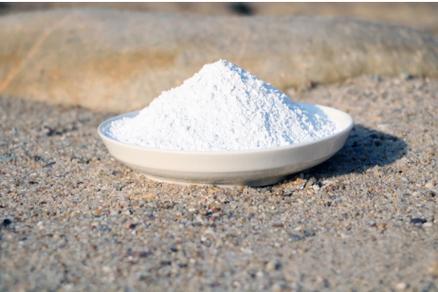
* Enormous Reaction Interface: BET specific surface area as high as 50-100 m²/g (far exceeding ordinary calcium-based desulfurizers), providing massive reactive sites.
* Developed Pore Structure: Pore volume >0.25 cm³/g, forming efficient gas diffusion channels.
* High Purity and Fineness: Ca(OH)₂content >90%, passing rate at 325 mesh >85%, ensuring uniform and thorough reaction.
These characteristics directly translate into exceptional desulfurization performance:
* Ultra-High Efficiency: SO₂removal efficiency ≥97%, easily meeting the strictest "ultra-low emission" standards (e.g., required in glass, ceramics industries).
* Broad Temperature Range Adaptability: Efficient reaction across a wide flue gas temperature range of 0℃to 430℃, solving the pain points of traditional wet methods being temperature-sensitive and prone to condensation and blockage.
* Deep Purification: Excellent removal rates for acidic gases such as HCl and HF, enabling synergistic control of multiple pollutants.
II. Economic Benefits: The "Cost-Effectiveness Tool"
Compared to traditional desulfurization technologies (especially wet methods), the high-specific-surface calcium hydroxide dry FGD process offers significant cost advantages:
* Lower Initial Investment: Simplified process flow, eliminating the need for complex water treatment systems and anti-corrosion measures, leading to significantly reduced construction investment.
* Optimized Operating Costs: Comprehensive desulfurization costs can be reduced by approximately 30%. For large enterprises, annual direct desulfurization cost savings can reach 1.5 - 2 million RMB.
* Resource Utilization Potential: Desulfurization by-products (mainly calcium sulfate, etc.) are stable and easy to utilize as resources (e.g., building material raw ingredients), with no hazardous waste generation, avoiding secondary pollution and disposal costs.
* Zero Water Consumption & Zero Carbon Emissions: No water resource consumption, no wastewater discharge. The process itself generates no direct carbon emissions, aligning with the "Dual Carbon" goals.
III. Application Prospects: The "Key" to Empowering Multiple Industries
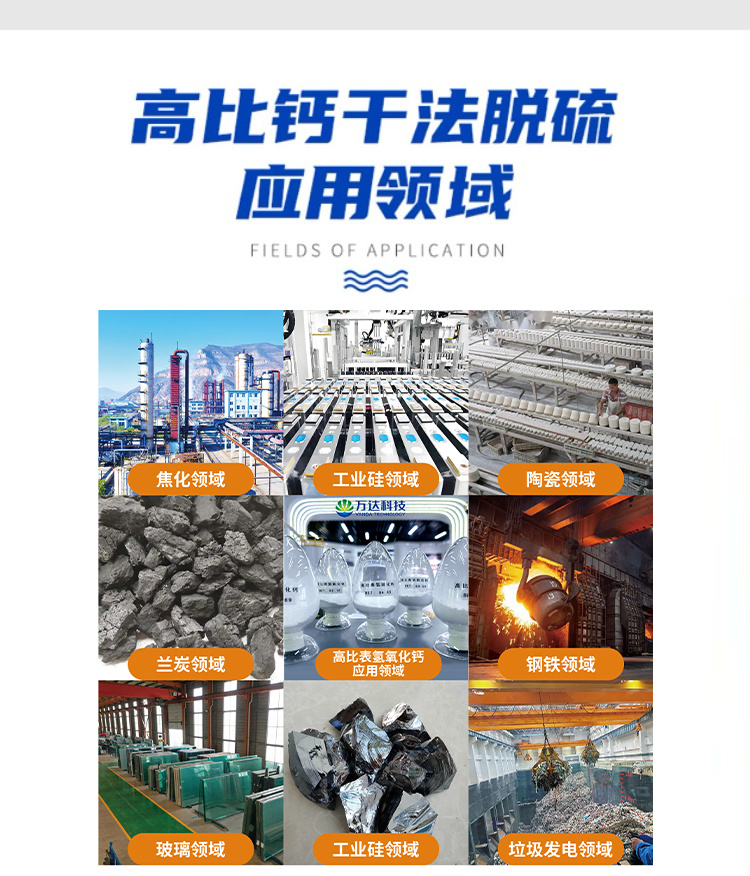
The excellent characteristics of high-specific-surface calcium hydroxide dry FGD make it universally applicable across numerous industrial sectors:
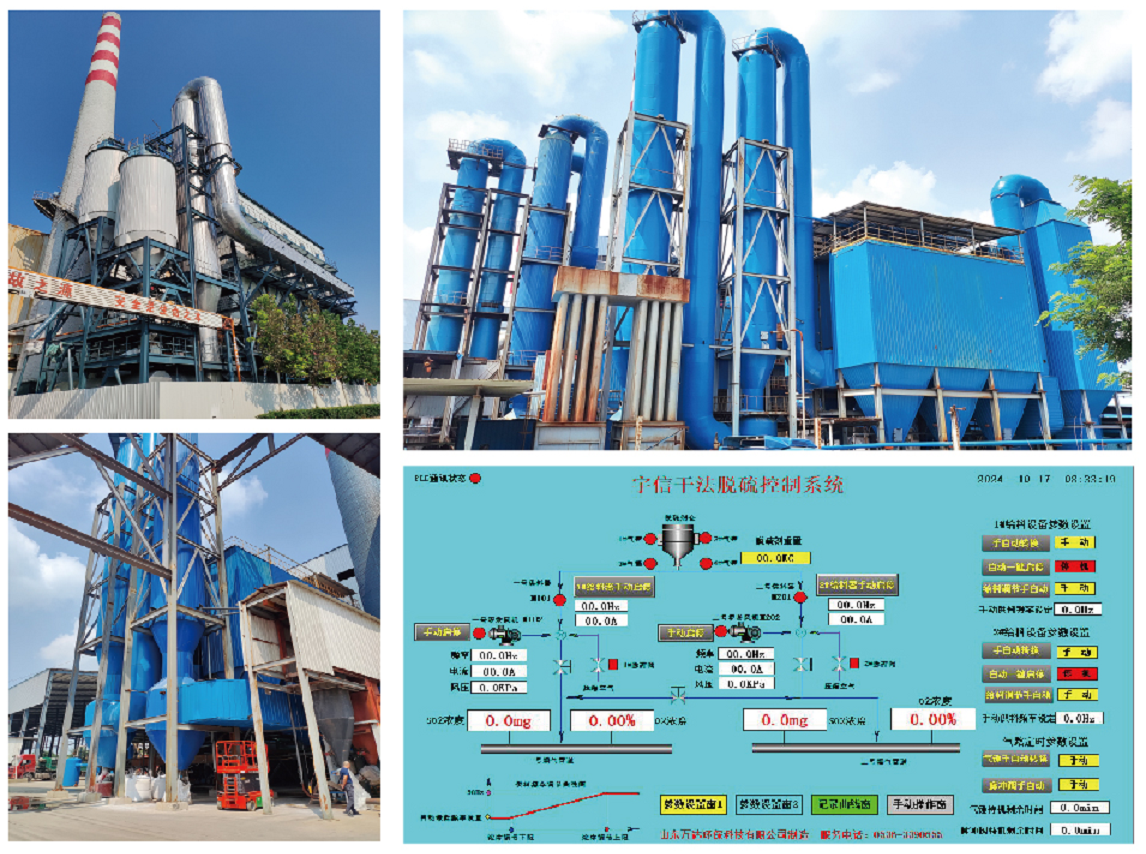
* Traditional High-Emission Industries: Successfully applied in industries like glass, ceramics, refractories, cement, steel, coking, carbon, serving as a key technology for achieving ultra-low emissions.
* Emerging Energy & Materials Fields: Its advantages of broad temperature adaptability and high-efficiency purification are prominent in rapidly developing sectors such as photovoltaics (industrial silicon, sodium silicate), new energy batteries (lithium battery materials), and waste-to-energy.
* Complex Process Scenarios: An ideal choice for industrial facilities with large flue gas fluctuations, wide temperature ranges, or located in water-scarce regions.
IV. Leading Enterprise: The Innovation-Driven "Engine"
Shandong Vanda Environmental Technology, as a National-Level Specialized and Sophisticated "Little Giant" Enterprise and a "Gazelle Enterprise" in this field, has laid the cornerstone for application prospects with its technological strength:
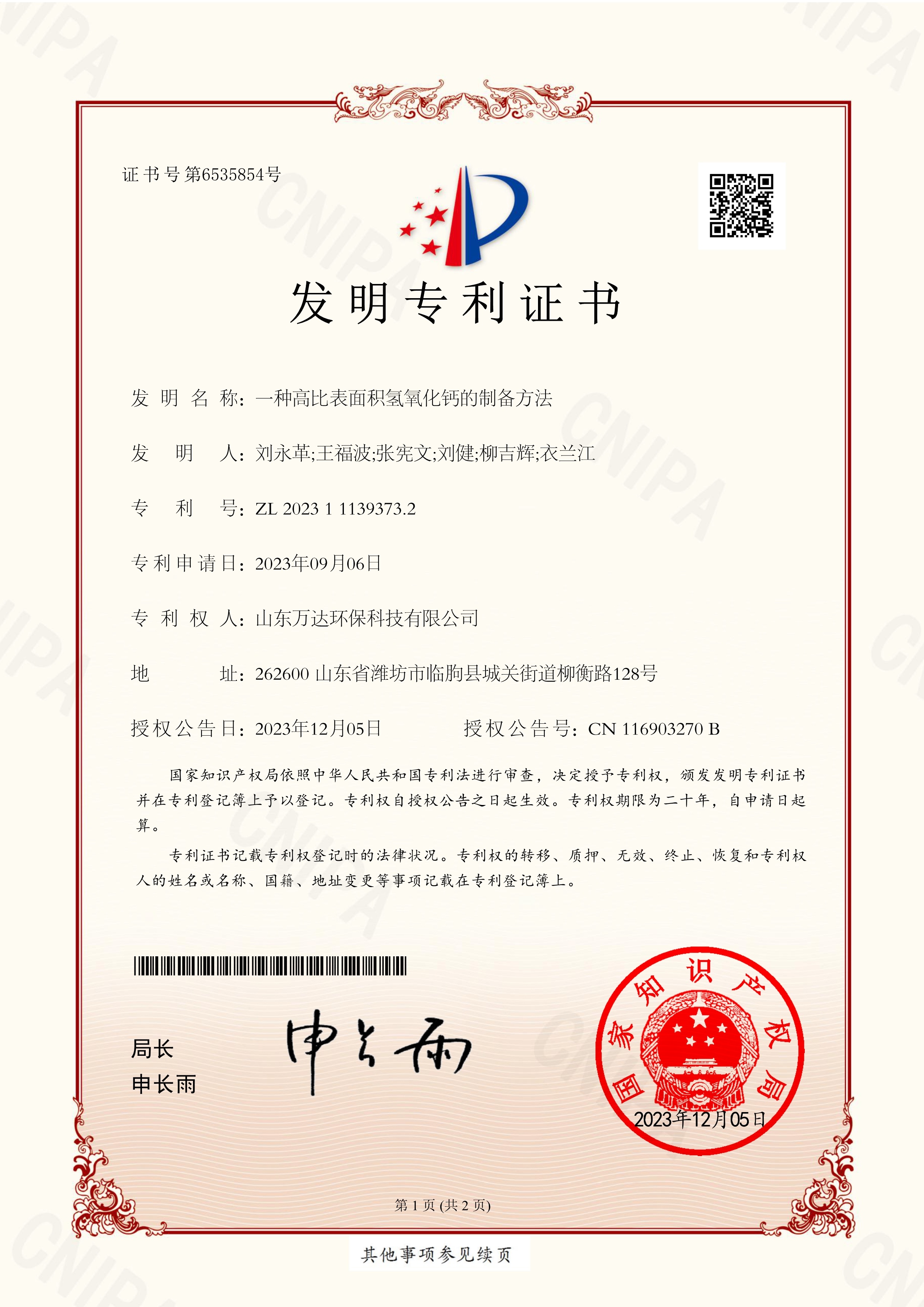
* Core Technology Independence: Possesses complete independent intellectual property rights for the WD-HAD Series High-Efficiency Desulfurizer, with product specifications reaching internationally leading levels.
* Scale Guarantee: Possesses a 100,000 tons/year single-line production capacity, ensuring stable market supply.
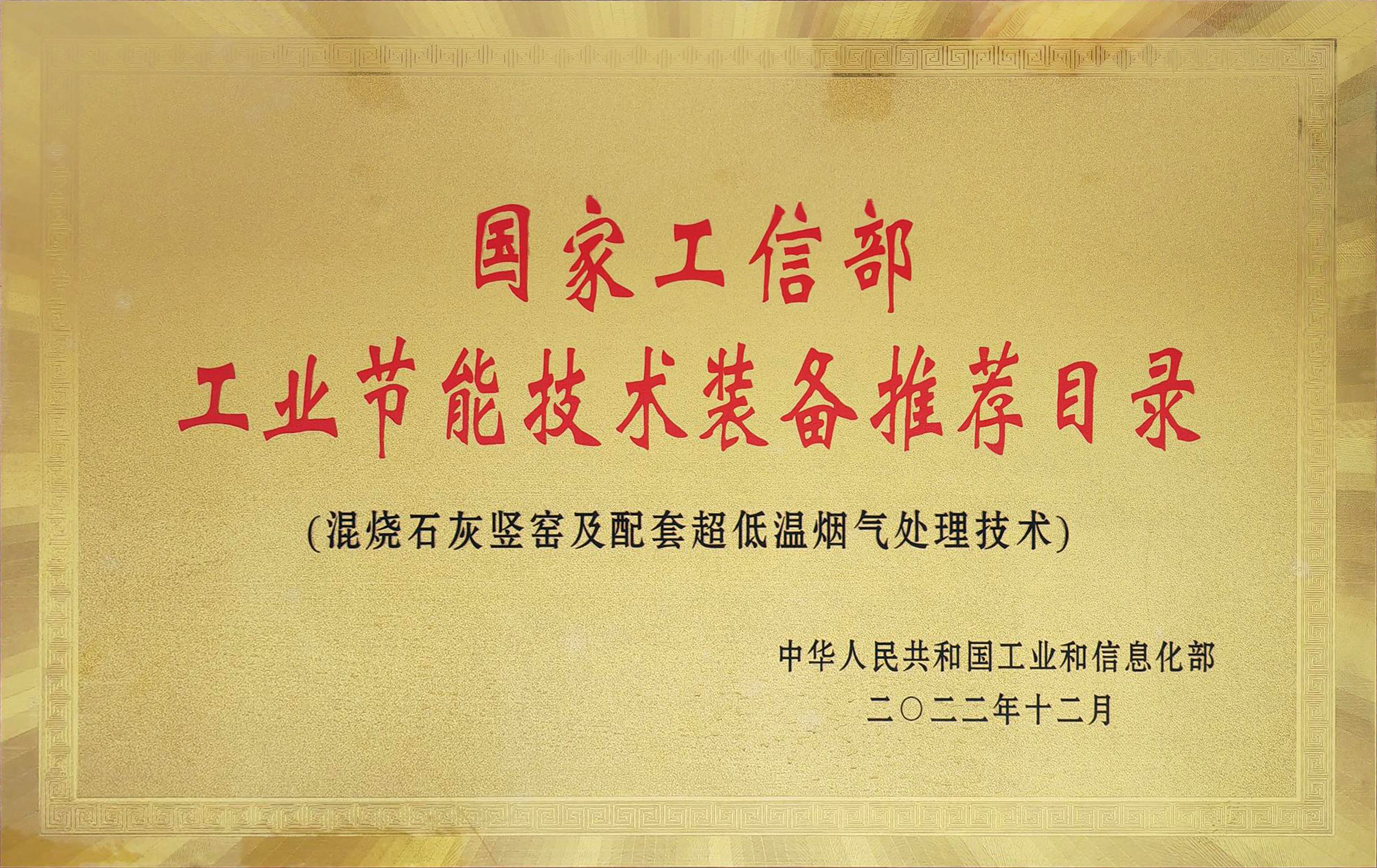
* Standard Setter: Led or participated in formulating multiple industry standards. Products are listed in the MIIT Recommended Catalog of Energy-Saving and Environmental Protection Products.
* Flexible Cooperation Models: Offers various models including direct product sales, technical support, equipment supply, and even cooperative plant construction to accelerate technology adoption.


Conclusion: The "Ideal Calcium-Based Choice" for a Green Future
High-specific-surface calcium hydroxide dry FGD technology, with its ultra-high efficiency, outstanding cost-effectiveness, wide adaptability, and environmental friendliness, has successfully broken through the bottlenecks of traditional flue gas treatment. Driven by the "Dual Carbon" strategy and ultra-low emission policies, this technology has not only become a "must-have" for the green transformation of traditional industries like glass, ceramics, and steel, but will also shine in emerging fields such as photovoltaics, lithium batteries, and waste-to-energy. Continuous innovation and scaled application by enterprises represented by Shandong Vanda Environmental Technology are propelling high-specific-surface calcium hydroxide from a "technological tool" towards "market mainstream," opening up a new path of efficient, economical, and sustainable green development for industrial flue gas treatment. Its application prospects are limitless.
Next
Next
Latest News
2026-09-10
Application of High-Specific-Surface-Area Calcium Hydroxide in Flue-Gas Desulfurization for Industrial Kilns in the Chemical Industry
In the chemical industry, flue gases from various reaction kilns and heating furnaces are highly complex; in addition to sulfides, they often contain small amounts of acidic organic compounds. These flue gases are highly corrosive, and conventional desulfurization agents exhibit limited reactivity and poor corrosion resistance, resulting in only modest treatment performance. High‑specific‑surface‑area calcium hydroxide can achieve simultaneous desulfurization and deacidification, making it well suited to the complex flue‑gas conditions encountered in chemical processes.
2026-09-07
Application of High-Specific-Surface-Area Calcium Hydroxide in Flue Gas Desulfurization in the Refractory Materials Industry
Refractory‑material tunnel kilns and shuttle kilns operate at high temperatures and produce uneven flue‑gas emissions; their intermittent operation further causes significant fluctuations in sulfur content, placing extremely stringent demands on the desulfurizing agent’s instantaneous reaction kinetics and operational adaptability. High‑specific‑surface‑area calcium hydroxide, with its high reactivity and rapid response, is well suited to meet the desulfurization requirements of the refractory industry’s batch‑type production processes.
2026-09-03
Application of High-Specific-Surface Calcium Hydroxide in Flue Gas Desulfurization in the Industrial Silicon Industry
The flue gas from industrial silicon smelting furnaces is characterized by high temperatures, extremely high dust concentrations, and abundant sulfide‑containing impurities, resulting in harsh operating conditions. Conventional desulfurization agents are prone to failure, leading to poor desulfurization stability—making this a significant challenge in industrial flue‑gas treatment. High‑specific‑surface‑area calcium hydroxide, with its strong adaptability and excellent penetration, is ideally suited to the desulfurization of flue gases generated during industrial silicon smelting.
2026-08-31
Application of High-Specific-Surface-Area Calcium Hydroxide in Flue-Gas Desulfurization in the Ceramic Industry
Ceramic tunnel kilns and roller hearth kilns experience frequent flue gas temperature fluctuations, high dust concentrations, and uneven sulfur content. Moreover, production facilities demand stringent environmental cleanliness, while conventional desulfurization methods often generate wastewater and water mist, compromising ceramic product quality. The high‑specific‑surface‑area calcium hydroxide dry‑process desulfurization technology is well suited to the operational conditions and environmental requirements of the ceramics industry.
2026-08-27
Application of High-Specific-Surface Calcium Hydroxide in Flue Gas Desulfurization in the Glass Industry
Glass kilns typically use heavy oil and natural gas as fuels, producing flue gases with unique sulfur content, high temperatures, and stable flow rates. Conventional desulfurization processes often suffer from incomplete removal of sulfur compounds, equipment fouling, and excessive energy consumption. High‑specific‑surface‑area calcium hydroxide is specifically tailored to the characteristics of glass‑kiln flue gases, enabling efficient, low‑cost desulfurization.
