



News
NEWS CENTER
28
2025
-
06
Innovative Application of High-Specific-Surface-Area Calcium Hydroxide in Flue Gas Desulfurization for the Steel Industry
Author:
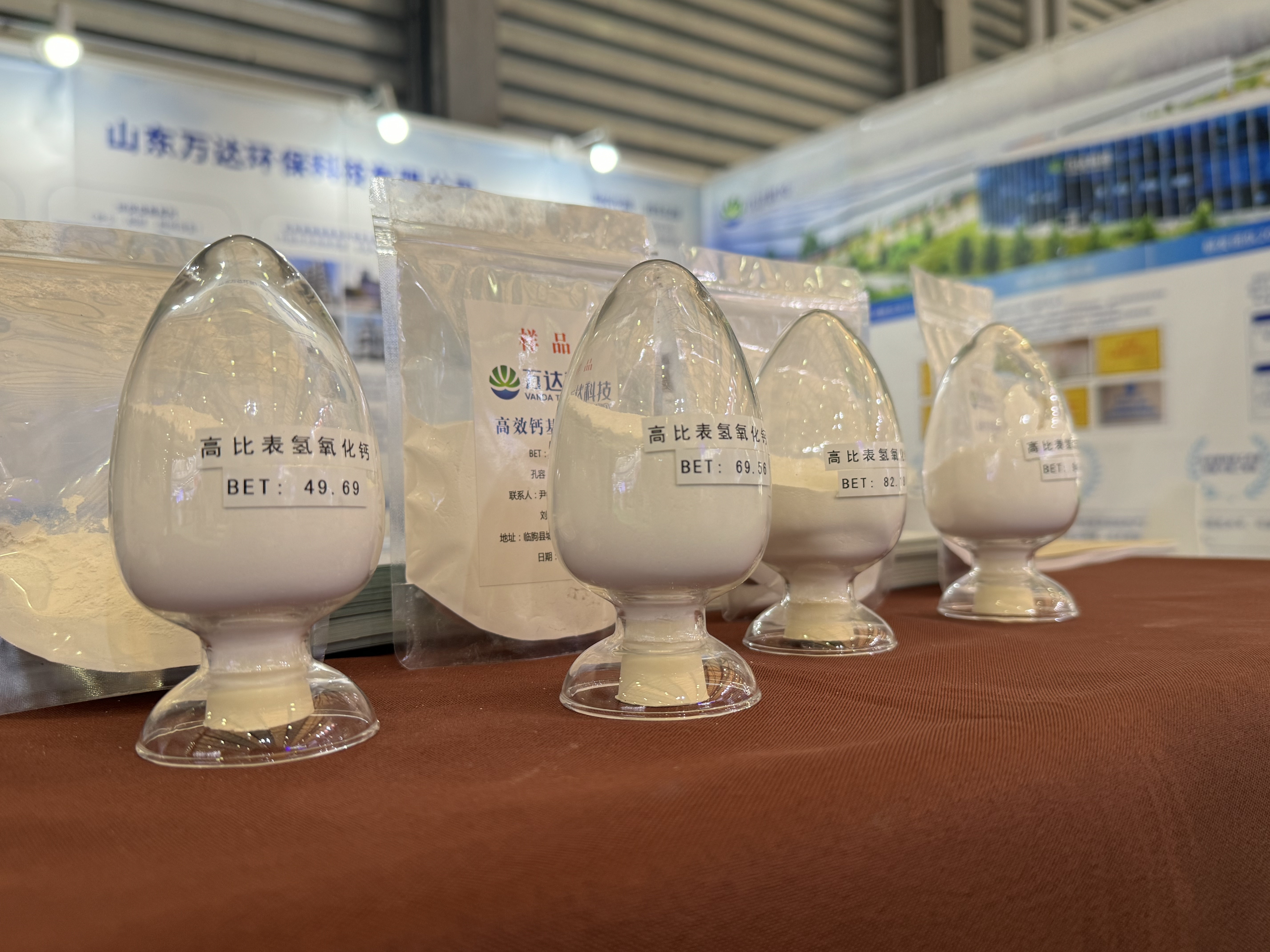
Against the backdrop of severe environmental pressure facing the steel industry, the WD-HAD Series High-Specific-Surface-Area Calcium Hydroxide Desulfurizer, independently developed by Shandong Vanda Environmental Technology Co., Ltd., is becoming a core solution in the field of flue gas purification, relying on its internationally leading technical indicators (specific surface area: 50-100 m²/g).
I. Technical Advantages: Breaking Through Traditional Desulfurization Bottlenecks
This product achieves revolutionary breakthroughs through its ultra-high specific surface area structure (measured up to 94.45 m²/g):
● Doubled Reaction Activity: The microporous structure (pore volume >0.25 cm³/g) provides massive reaction sites, increasing SO₂ capture efficiency by over 40%.
● Wide Temperature Range Adaptability: Stable operation within a flue gas temperature range of 0-430℃, completely solving the problem of temperature fluctuations in sinter machine/pelletizing kiln flue gas.
● Ultra-Low Resource Consumption: Features of no water consumption, no wastewater, and no carbon emissions; desulfurization cost per ton of steel reduced by 30%.
● Deep Synergistic Purification: Simultaneous removal rate exceeding 90% for acidic gases like HCl and HF, reducing subsequent treatment steps.
II. Application Scenarios Across the Steel Production Process
Application Stage | Key Challenge Solved | Implementation Effect |
Sintering Flue Gas | Large flue gas volume, severe temp. fluctuation | Desulfurization rate stably >95%, temp. drop <5℃ |
Pellet Roasting | High-sulfur coal combustion emissions | Outlet SO₂ concentration <35 mg/Nm³ |
Captive Power Plant | Insufficient efficiency of semi-dry FGD | Ca/S molar ratio reduced to below 1.2 |
Coke Oven Gas Purification | Difficulty treating organic sulfur | Total sulfur removal rate increased to 98% |
III. Creating Triple Industry Value
1. Economic Value
○ Construction investment reduced by 40% (no wastewater treatment system required)
○ By-product calcium sulfate purity >90%, directly suitable for resource utilization
2. Environmental Value
○ Achieves "zero liquid discharge" across the entire process
○ Annual SO₂ reduction potential reaches 100,000-ton scale (case study: 5 million-ton steel enterprise)
3. Operation & Maintenance Value
○ Flowability index >85% (325 mesh pass rate), preventing spray gun clogging
○ Integrated automatic control system reduces O&M personnel by 50%
IV. Insights from Engineering Practice
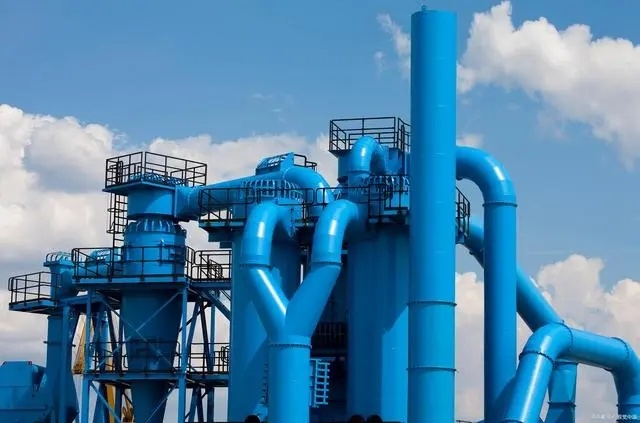
A ten-million-ton integrated steel complex implemented renovation using the WD-HAD series:
● Used desulfurizer with a specific surface area of 82.18 m²/g on 430°C sinter machine head flue gas.
● Achieved a desulfurization efficiency of 98.7% at a Ca/S molar ratio of 1.25.
●Resulted in annual freshwater savings of 230,000 tons and reduced hazardous waste generation by 12,000 tons.
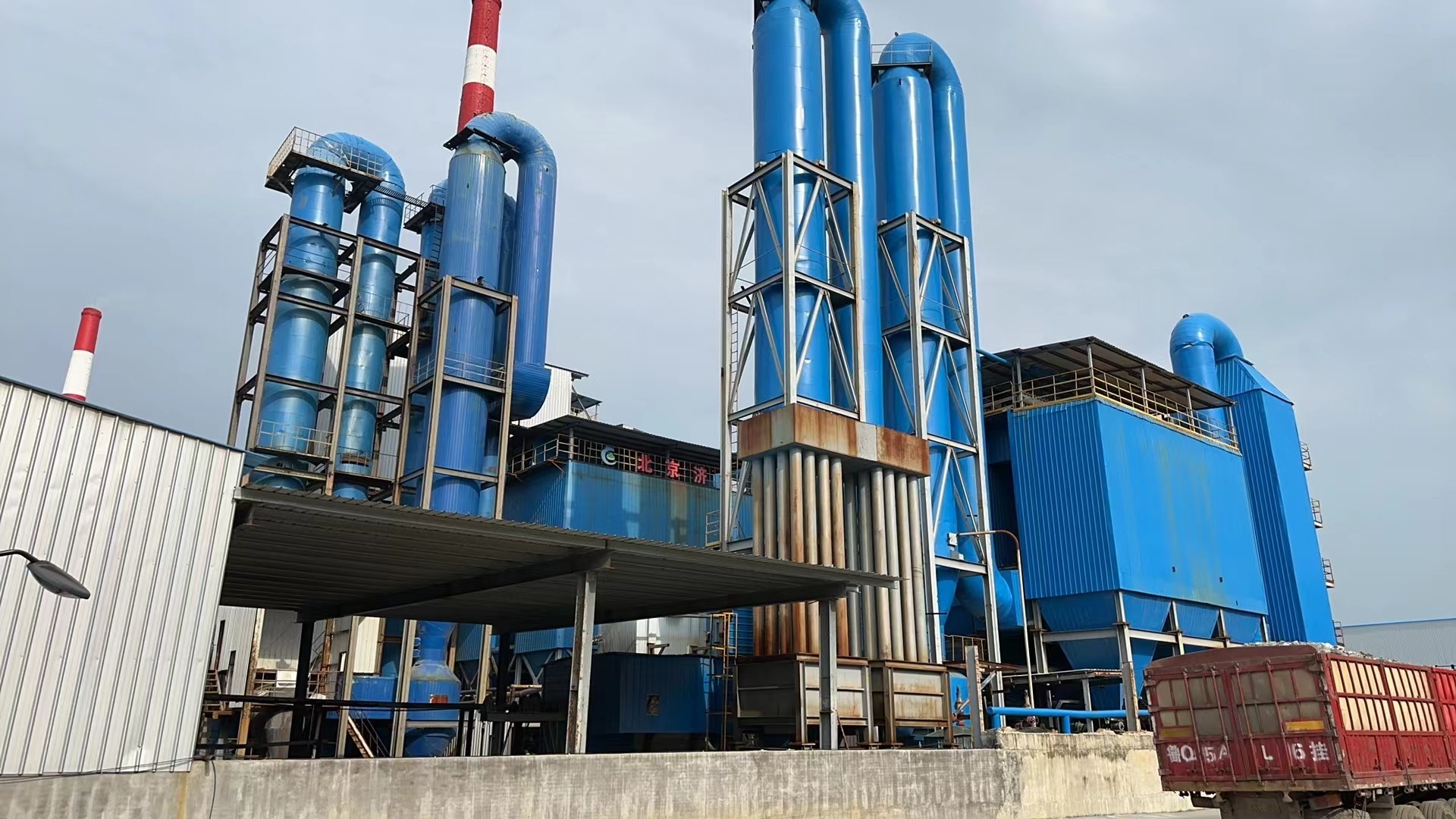
Conclusion: Vanda Environmental Technology's high-specific-surface-area calcium hydroxide desulfurizer, through nano-scale pore structure modulation technology (pore volume >0.25 cm³/g) and surface activity enhancement processes, solves the governance challenges posed by complex flue gas composition and significant operational fluctuations in the steel industry. Its closed-loop "dry desulfurization - resource recovery" model provides key technical support for steel enterprises to achieve ultra-low emissions and cost reduction with efficiency enhancement. It has become a core driver promoting the industry's green transformation. As national environmental standards continue to rise, this technology will be replicated and promoted in more steel production bases, creating significant environmental and economic benefits.
Latest News
2026-09-10
Application of High-Specific-Surface-Area Calcium Hydroxide in Flue-Gas Desulfurization for Industrial Kilns in the Chemical Industry
In the chemical industry, flue gases from various reaction kilns and heating furnaces are highly complex; in addition to sulfides, they often contain small amounts of acidic organic compounds. These flue gases are highly corrosive, and conventional desulfurization agents exhibit limited reactivity and poor corrosion resistance, resulting in only modest treatment performance. High‑specific‑surface‑area calcium hydroxide can achieve simultaneous desulfurization and deacidification, making it well suited to the complex flue‑gas conditions encountered in chemical processes.
2026-09-07
Application of High-Specific-Surface-Area Calcium Hydroxide in Flue Gas Desulfurization in the Refractory Materials Industry
Refractory‑material tunnel kilns and shuttle kilns operate at high temperatures and produce uneven flue‑gas emissions; their intermittent operation further causes significant fluctuations in sulfur content, placing extremely stringent demands on the desulfurizing agent’s instantaneous reaction kinetics and operational adaptability. High‑specific‑surface‑area calcium hydroxide, with its high reactivity and rapid response, is well suited to meet the desulfurization requirements of the refractory industry’s batch‑type production processes.
2026-09-03
Application of High-Specific-Surface Calcium Hydroxide in Flue Gas Desulfurization in the Industrial Silicon Industry
The flue gas from industrial silicon smelting furnaces is characterized by high temperatures, extremely high dust concentrations, and abundant sulfide‑containing impurities, resulting in harsh operating conditions. Conventional desulfurization agents are prone to failure, leading to poor desulfurization stability—making this a significant challenge in industrial flue‑gas treatment. High‑specific‑surface‑area calcium hydroxide, with its strong adaptability and excellent penetration, is ideally suited to the desulfurization of flue gases generated during industrial silicon smelting.
2026-08-31
Application of High-Specific-Surface-Area Calcium Hydroxide in Flue-Gas Desulfurization in the Ceramic Industry
Ceramic tunnel kilns and roller hearth kilns experience frequent flue gas temperature fluctuations, high dust concentrations, and uneven sulfur content. Moreover, production facilities demand stringent environmental cleanliness, while conventional desulfurization methods often generate wastewater and water mist, compromising ceramic product quality. The high‑specific‑surface‑area calcium hydroxide dry‑process desulfurization technology is well suited to the operational conditions and environmental requirements of the ceramics industry.
2026-08-27
Application of High-Specific-Surface Calcium Hydroxide in Flue Gas Desulfurization in the Glass Industry
Glass kilns typically use heavy oil and natural gas as fuels, producing flue gases with unique sulfur content, high temperatures, and stable flow rates. Conventional desulfurization processes often suffer from incomplete removal of sulfur compounds, equipment fouling, and excessive energy consumption. High‑specific‑surface‑area calcium hydroxide is specifically tailored to the characteristics of glass‑kiln flue gases, enabling efficient, low‑cost desulfurization.
