



News
NEWS CENTER
14
2025
-
10
High-Specific-Surface Calcium Hydroxide: Emerging Trends in its Application for Dry Flue Gas Desulfurization
Author:
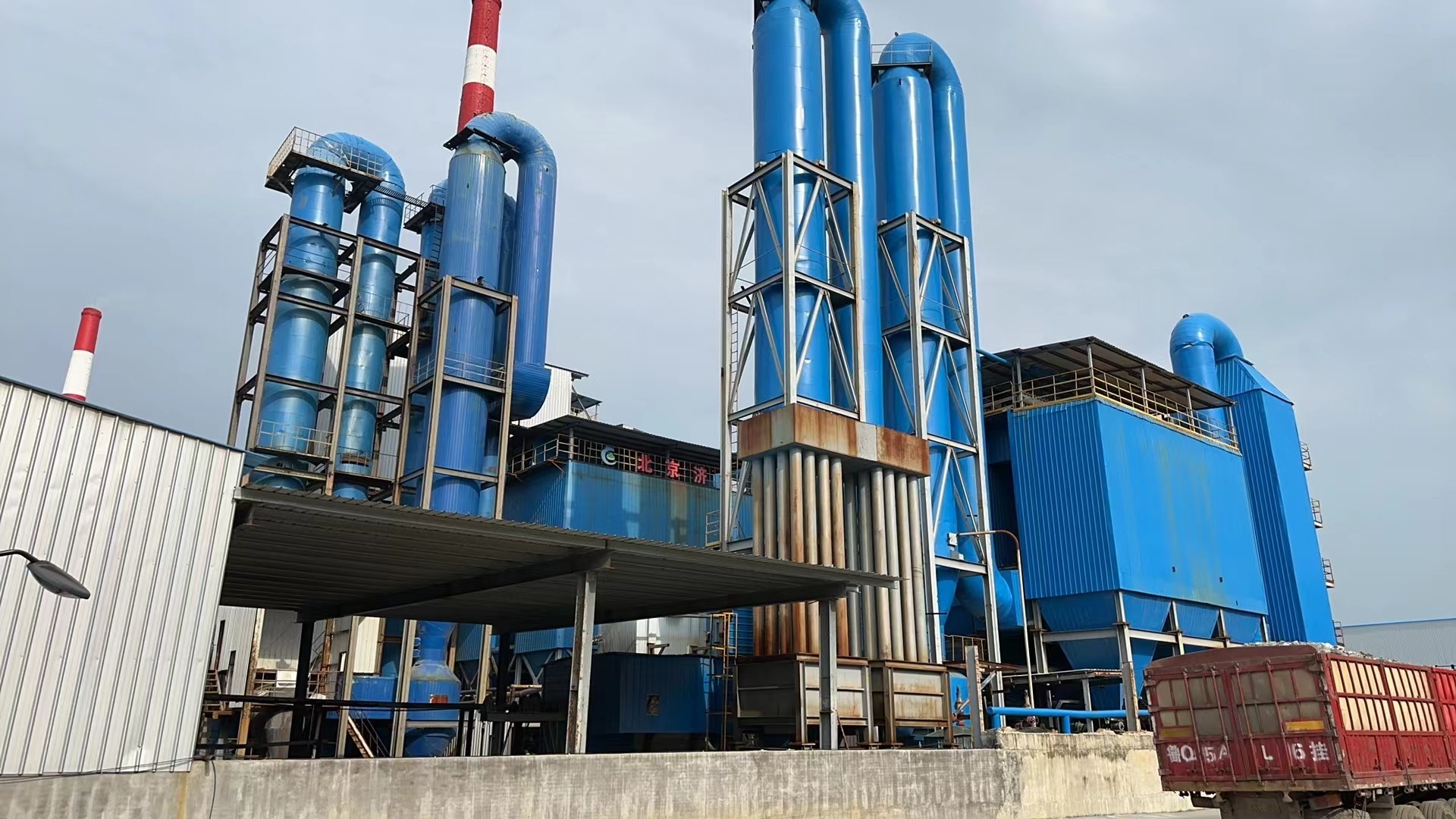
In the field of industrial flue gas treatment, dry flue gas desulfurization (FGD) technology is widely used in scenarios such as small and medium-sized boilers, sintering machines, and waste incineration due to its simple process, no wastewater discharge, and relatively low investment. As the core sorbent, high-specific-surface calcium hydroxide is becoming a key driver for improving the efficiency of dry FGD, demonstrating clear application trends.
Traditional Limitations and the Breakthrough
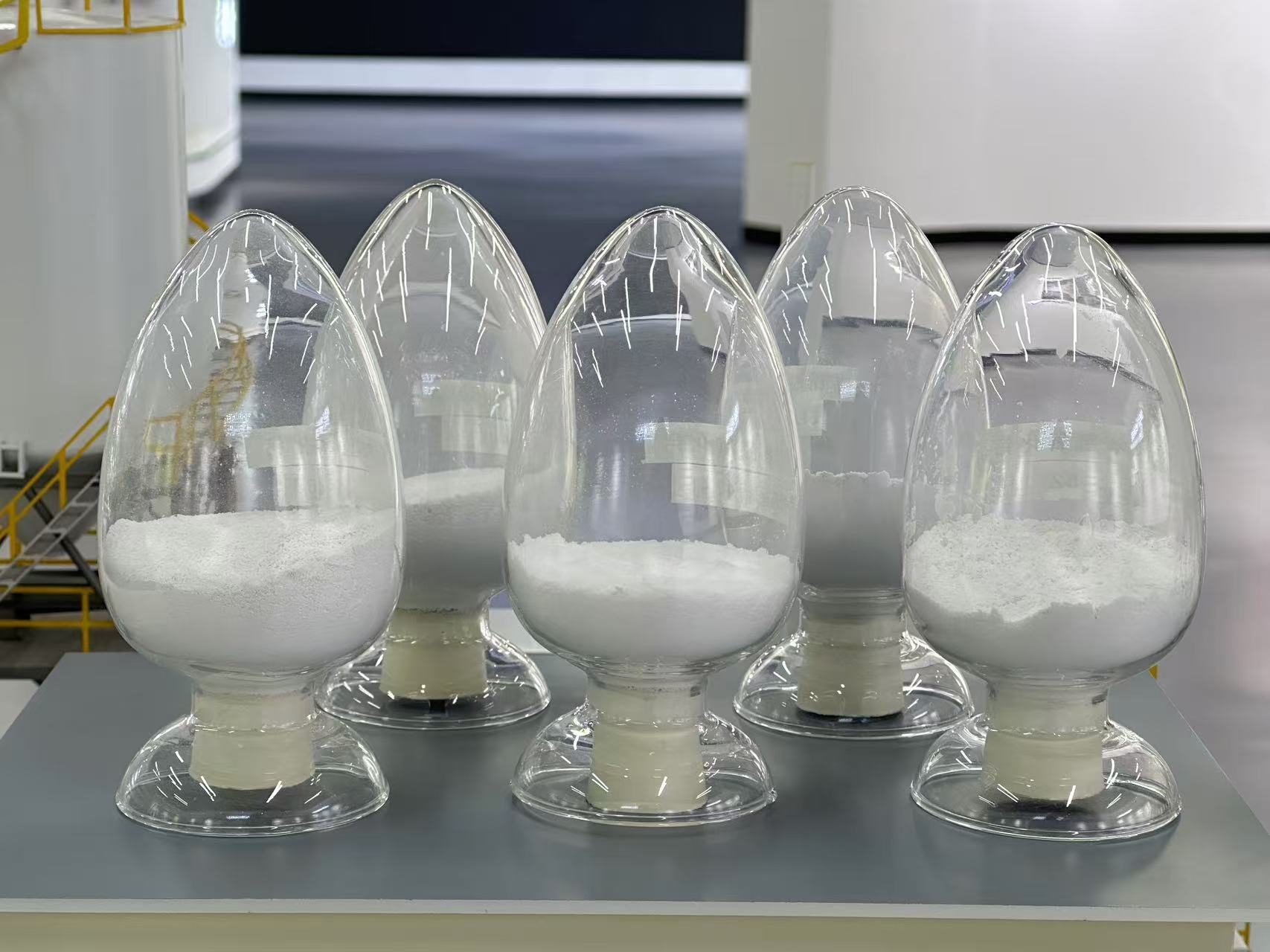
Traditional dry FGD uses ordinary calcium hydroxide, which has a small specific surface area and low porosity. This leads to insufficient contact and reaction with sulfur dioxide (SO₂) gas, generally resulting in desulfurization efficiency struggling to exceed 90%, with a high calcium-to-sulfur ratio and significant operating costs and solid waste generation.
High-specific-surface calcium hydroxide, produced through special physico-chemical processes, features finer particles and a developed microporous structure, giving it a far greater specific surface area than conventional products. This characteristic brings fundamental improvements:
- Multiplied Reactivity: The vast surface area provides numerous "active sites" for the gas-solid reaction, enabling SO₂ to be adsorbed and converted into stable calcium sulfate more rapidly.
- Significantly Enhanced Efficiency: Under similar conditions, using high-specific-surface calcium hydroxide can steadily increase dry FGD efficiency to 95% or higher, meeting increasingly stringent emission standards.
- Combining Economy and Environmental Benefits: Higher reaction efficiency means a lower calcium-to-sulfur ratio, directly reducing sorbent consumption and subsequent solid waste, achieving cost reduction and efficiency improvement.
Future Application Trends
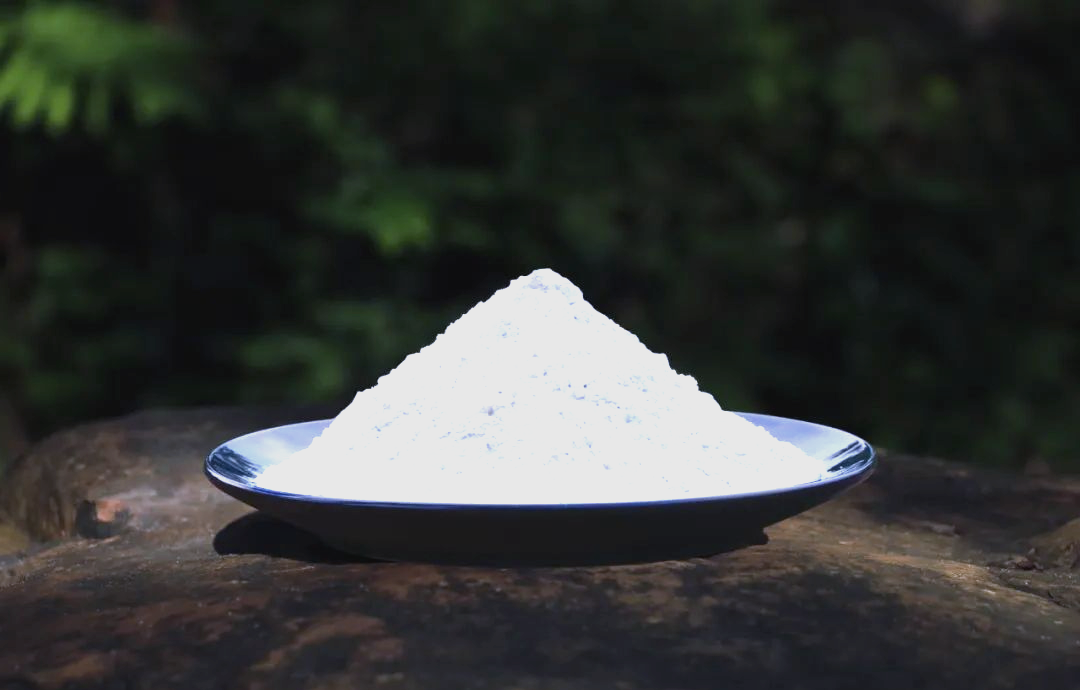
- Becoming Standard in High-Standard Projects: As environmental regulations tighten, new or retrofit projects with high desulfurization requirements are increasingly tending to adopting high-specific-surface calcium hydroxide as the preferred sorbent to ensure stable compliance with emission standards.
- Deep Integration with Advanced Dry Technologies: In advanced processes like circulating fluidized bed desulfurization, highly reactive calcium hydroxide can achieve better circulation and reaction kinetics within the system, maximizing the technology's potential.
- Shift from "Consumable" to "Functional Material": The industry is no longer viewing it merely as a bulk raw material. Instead, customized production of different high-specific-surface grades allows for precise matching with specific operating conditions and process needs, achieving optimal cost-effectiveness.
Conclusion
In summary, leveraging its inherent high reactivity, high-specific-surface calcium hydroxide is driving dry FGD technology towards greater efficiency, economy, and environmental friendliness. This trend is now irreversible. It is not only a powerful tool for meeting current stringent environmental requirements but also a crucial foundation for the continued innovation and advancement of dry desulfurization technology in the future.
Latest News
2026-09-10
Application of High-Specific-Surface-Area Calcium Hydroxide in Flue-Gas Desulfurization for Industrial Kilns in the Chemical Industry
In the chemical industry, flue gases from various reaction kilns and heating furnaces are highly complex; in addition to sulfides, they often contain small amounts of acidic organic compounds. These flue gases are highly corrosive, and conventional desulfurization agents exhibit limited reactivity and poor corrosion resistance, resulting in only modest treatment performance. High‑specific‑surface‑area calcium hydroxide can achieve simultaneous desulfurization and deacidification, making it well suited to the complex flue‑gas conditions encountered in chemical processes.
2026-09-07
Application of High-Specific-Surface-Area Calcium Hydroxide in Flue Gas Desulfurization in the Refractory Materials Industry
Refractory‑material tunnel kilns and shuttle kilns operate at high temperatures and produce uneven flue‑gas emissions; their intermittent operation further causes significant fluctuations in sulfur content, placing extremely stringent demands on the desulfurizing agent’s instantaneous reaction kinetics and operational adaptability. High‑specific‑surface‑area calcium hydroxide, with its high reactivity and rapid response, is well suited to meet the desulfurization requirements of the refractory industry’s batch‑type production processes.
2026-09-03
Application of High-Specific-Surface Calcium Hydroxide in Flue Gas Desulfurization in the Industrial Silicon Industry
The flue gas from industrial silicon smelting furnaces is characterized by high temperatures, extremely high dust concentrations, and abundant sulfide‑containing impurities, resulting in harsh operating conditions. Conventional desulfurization agents are prone to failure, leading to poor desulfurization stability—making this a significant challenge in industrial flue‑gas treatment. High‑specific‑surface‑area calcium hydroxide, with its strong adaptability and excellent penetration, is ideally suited to the desulfurization of flue gases generated during industrial silicon smelting.
2026-08-31
Application of High-Specific-Surface-Area Calcium Hydroxide in Flue-Gas Desulfurization in the Ceramic Industry
Ceramic tunnel kilns and roller hearth kilns experience frequent flue gas temperature fluctuations, high dust concentrations, and uneven sulfur content. Moreover, production facilities demand stringent environmental cleanliness, while conventional desulfurization methods often generate wastewater and water mist, compromising ceramic product quality. The high‑specific‑surface‑area calcium hydroxide dry‑process desulfurization technology is well suited to the operational conditions and environmental requirements of the ceramics industry.
2026-08-27
Application of High-Specific-Surface Calcium Hydroxide in Flue Gas Desulfurization in the Glass Industry
Glass kilns typically use heavy oil and natural gas as fuels, producing flue gases with unique sulfur content, high temperatures, and stable flow rates. Conventional desulfurization processes often suffer from incomplete removal of sulfur compounds, equipment fouling, and excessive energy consumption. High‑specific‑surface‑area calcium hydroxide is specifically tailored to the characteristics of glass‑kiln flue gases, enabling efficient, low‑cost desulfurization.
