



News
NEWS CENTER
07
2025
-
07
High Specific Surface Area Calcium Hydroxide: A Powerful Desulfurization Solution Driving Green Upgrading in the Coking Industry
Author:
Coking production is a crucial link in the steel industry chain. However, the generated flue gas contains high concentrations of sulfur dioxide (SO₂), posing serious hazards to the environment and equipment. Traditional desulfurization technologies often face challenges such as insufficient efficiency, high operating costs, or secondary pollution. WD-HAD Series High-Efficiency Desulfurizer, independently developed by Shandong Vanda Environmental Technology Co., Ltd., provides an innovative, efficient, economical, and environmentally friendly solution for flue gas treatment in the coking industry, leveraging the exceptional performance of its core component—High Specific Surface Area Calcium Hydroxide.
High Specific Surface Area: The Core Secret to Efficient Desulfurization
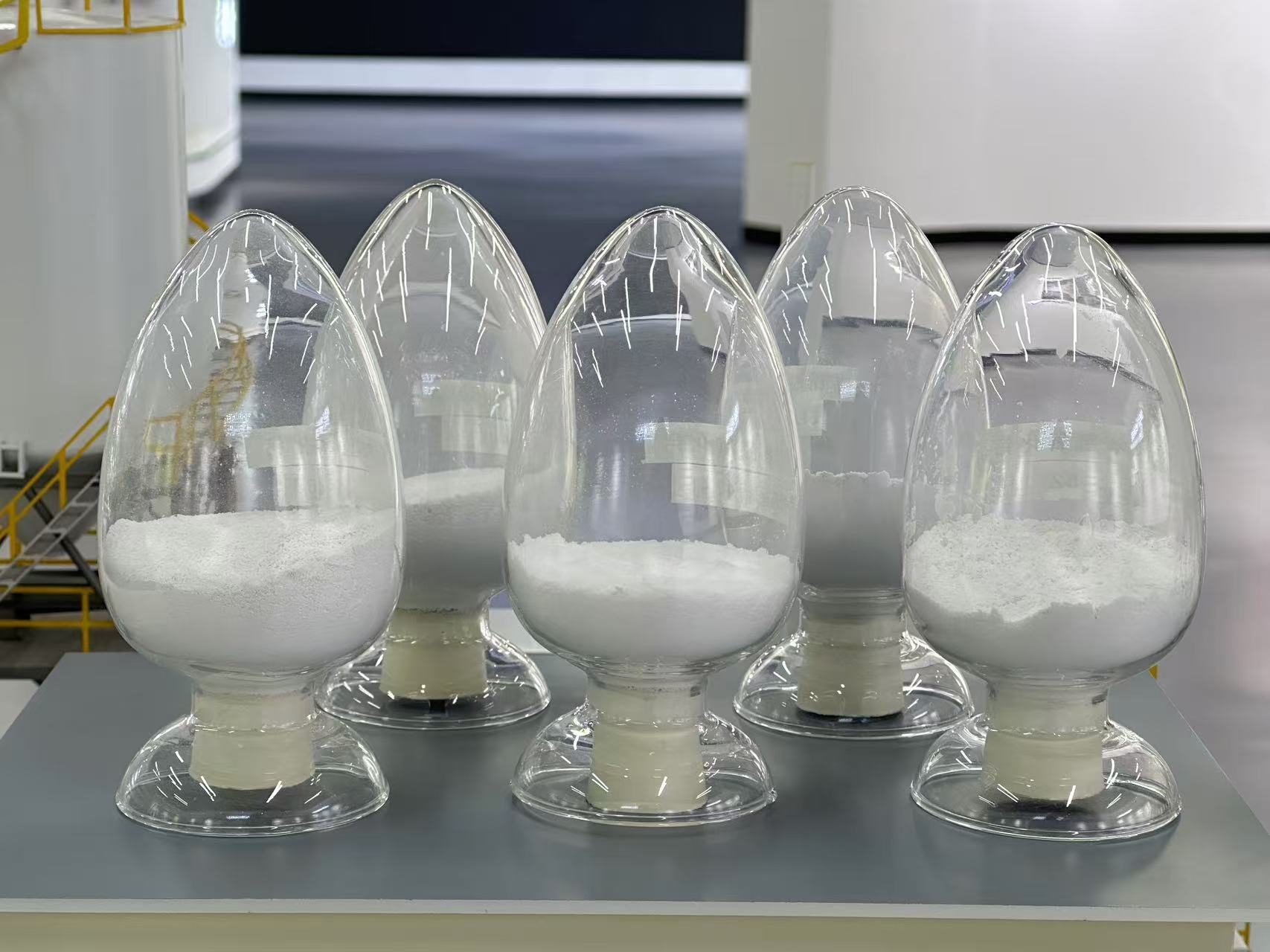
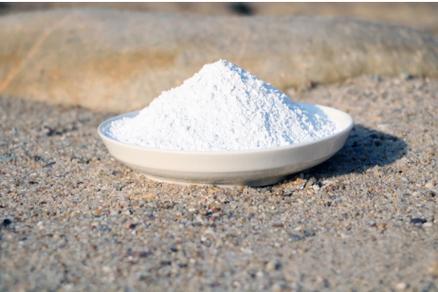
The core competitiveness of the WD-HAD series products lies in the ultra-high specific surface area (50~100 m²/g) of the calcium hydroxide used. This far exceeds common products on the market, meaning:
1. Multiplied Reaction Activity: The immense specific surface area provides vast reaction sites, exponentially increasing the contact area between the desulfurizer and SO₂ gas, significantly enhancing chemical reaction rates and efficiency.
2. Guaranteed Deep Desulfurization: The high activity ensures stable and efficient SO₂ removal even under complex and variable operating conditions, easily meeting increasingly stringent ultra-low emission standards (e.g., SO₂ < 35 mg/Nm³).
3. Resource Utilization of By-products: The characteristic of thorough reaction facilitates the generation of purer, easier-to-handle desulfurization by-products (mainly calcium sulfate), creating favorable conditions for their subsequent resource utilization (e.g., as building material raw materials).
Precisely Addressing the Pain Points of Coking Flue Gas Treatment
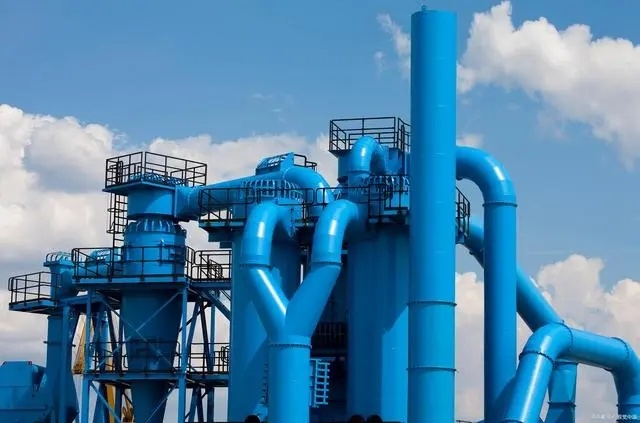
Coking flue gas is characterized by large temperature fluctuations and complex composition (potentially containing acidic gases, dust, etc.). The WD-HAD series high specific surface area calcium hydroxide desulfurizer, with the following advantages, is an ideal choice for the coking industry:
● Efficient Operation Across a Wide Temperature Range (0-430°C): Perfectly adapts to the temperature variation range of coke oven flue gas, from high exit temperatures to subsequent process stages, solving the problems of temperature sensitivity and large temperature drops associated with traditional desulfurization technologies.
● Excellent Desulfurization Efficiency: The highly active calcium hydroxide ensures a high SO₂ capture rate, significantly reducing emission concentrations.
● Outstanding Synergistic Purification Capability: Also achieves high removal rates for acidic gases such as hydrogen chloride (HCl) and hydrogen fluoride (HF) that may be present in the flue gas, enabling multi-pollutant synergistic control.
● Significant Environmental and Economic Benefits:
○ Zero Carbon Emissions & Zero Wastewater: Utilizes dry/semi-dry process routes, requiring no process water, producing no wastewater discharge, and imposing no carbon emission burden.
○ No Water Consumption & No Hazardous Waste: The process consumes no water resources; the reaction products are conventional solid waste, generating no hazardous waste, resulting in low disposal costs.
○ Optimized Investment and Operating Costs: The system structure is relatively simple, requiring low construction investment; high activity means lower material consumption per unit of desulfurization efficiency, offering outstanding operational economy.
○ Good Fluidity & Small Temperature Drop: Powder exhibits excellent fluidity, facilitating transportation and uniform injection; the reaction process has minimal impact on flue gas temperature, benefiting subsequent processes.
Solid and Reliable Product Quality
Vanda Environmental Technology strictly controls the quality of the WD-HAD series products, with core indicators leading the industry:
● High Purity: Ca(OH)₂ content > 90%
● Ultra-High Specific Surface Area: 50 ~ 100 m²/g (BET method - Brunauer-Emmett-Teller method)
● Suitable Physical Characteristics: Bulk density 0.4 ~ 0.65 g/mL, 325-mesh pass rate > 85%, low moisture content (0.1~2 wt%)
● Abundant Pore Structure: Pore volume > 0.25 cm³/g, ensuring gas diffusion and reaction depth.
Conclusion
During this critical period as the coking industry moves towards green and low-carbon development, Shandong Vanda Environmental Technology's high specific surface area calcium hydroxide desulfurizer (WD-HAD series), with its ultra-high activity, wide temperature range adaptability, outstanding environmental benefits (no water, no waste, no carbon emissions), and significant economic advantages, provides coking enterprises with an efficient, reliable, and sustainable flue gas purification pathway. Choosing high specific surface area calcium hydroxide is not only an essential requirement for meeting environmental compliance but also a wise choice for enterprises to reduce costs, increase efficiency, and achieve green transformation.
Latest News
2026-09-10
Application of High-Specific-Surface-Area Calcium Hydroxide in Flue-Gas Desulfurization for Industrial Kilns in the Chemical Industry
In the chemical industry, flue gases from various reaction kilns and heating furnaces are highly complex; in addition to sulfides, they often contain small amounts of acidic organic compounds. These flue gases are highly corrosive, and conventional desulfurization agents exhibit limited reactivity and poor corrosion resistance, resulting in only modest treatment performance. High‑specific‑surface‑area calcium hydroxide can achieve simultaneous desulfurization and deacidification, making it well suited to the complex flue‑gas conditions encountered in chemical processes.
2026-09-07
Application of High-Specific-Surface-Area Calcium Hydroxide in Flue Gas Desulfurization in the Refractory Materials Industry
Refractory‑material tunnel kilns and shuttle kilns operate at high temperatures and produce uneven flue‑gas emissions; their intermittent operation further causes significant fluctuations in sulfur content, placing extremely stringent demands on the desulfurizing agent’s instantaneous reaction kinetics and operational adaptability. High‑specific‑surface‑area calcium hydroxide, with its high reactivity and rapid response, is well suited to meet the desulfurization requirements of the refractory industry’s batch‑type production processes.
2026-09-03
Application of High-Specific-Surface Calcium Hydroxide in Flue Gas Desulfurization in the Industrial Silicon Industry
The flue gas from industrial silicon smelting furnaces is characterized by high temperatures, extremely high dust concentrations, and abundant sulfide‑containing impurities, resulting in harsh operating conditions. Conventional desulfurization agents are prone to failure, leading to poor desulfurization stability—making this a significant challenge in industrial flue‑gas treatment. High‑specific‑surface‑area calcium hydroxide, with its strong adaptability and excellent penetration, is ideally suited to the desulfurization of flue gases generated during industrial silicon smelting.
2026-08-31
Application of High-Specific-Surface-Area Calcium Hydroxide in Flue-Gas Desulfurization in the Ceramic Industry
Ceramic tunnel kilns and roller hearth kilns experience frequent flue gas temperature fluctuations, high dust concentrations, and uneven sulfur content. Moreover, production facilities demand stringent environmental cleanliness, while conventional desulfurization methods often generate wastewater and water mist, compromising ceramic product quality. The high‑specific‑surface‑area calcium hydroxide dry‑process desulfurization technology is well suited to the operational conditions and environmental requirements of the ceramics industry.
2026-08-27
Application of High-Specific-Surface Calcium Hydroxide in Flue Gas Desulfurization in the Glass Industry
Glass kilns typically use heavy oil and natural gas as fuels, producing flue gases with unique sulfur content, high temperatures, and stable flow rates. Conventional desulfurization processes often suffer from incomplete removal of sulfur compounds, equipment fouling, and excessive energy consumption. High‑specific‑surface‑area calcium hydroxide is specifically tailored to the characteristics of glass‑kiln flue gases, enabling efficient, low‑cost desulfurization.
